Solar Power Plant Installation
Engineering, Logistics, and Skilled Execution
A Professional Orchestration
Installing a solar power plant is a complex but rewarding orchestration of engineering, logistics, and skilled labor. Whether you are looking at it from a career perspective or considering an installation for your property, here is the breakdown of how the field functions and the process involved.
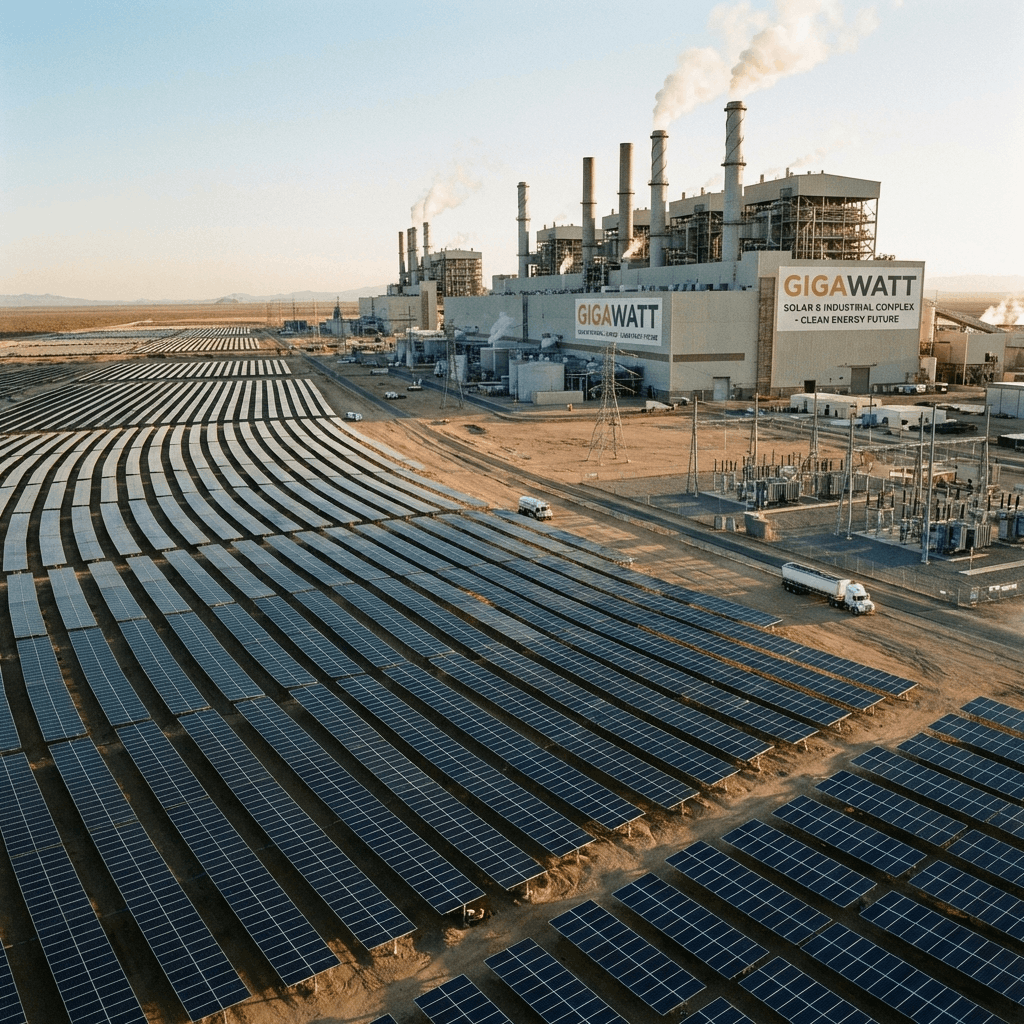
Roles in the Solar Installation Field
The "Solar Field" isn't just about bolting panels to a roof; it requires a diverse team to ensure a system lasts for its expected 25+ year lifespan.
| Role | Key Responsibility |
|---|---|
| Solar PV Designer | Uses CAD software to map out the array layout and electrical strings. |
| Project Manager | Coordinates permits, equipment delivery, and site schedules. |
| Solar Installer (PV Tech) | The "boots on the ground" who physically mount the racking and modules. |
| Electrician | Handles high-voltage wiring, inverter connections, and grid integration. |
| Site Surveyor | Evaluates roof integrity, shading issues, and structural readiness. |
The Installation Process (Step-by-Step)
A professional installation follows a specific sequence to ensure safety and efficiency.
Site Assessment & Engineering
Before a single bolt is turned, engineers must verify that the ground or roof can handle the load. They use "Solar Pathfinders" or digital tools to calculate the Solar Noon and potential shading from trees or buildings.
Infrastructure & Racking
The "bones" of the system are installed first. For ground mounts, this involves piers or concrete ballasts. For roofs, it involves flashing and rails.

Panel (Module) Mounting
The panels are secured to the racking. Installers must ensure they are aligned perfectly to maximize aesthetic appeal and aerodynamic stability against wind.
Electrical Wiring & Inverters
This is the "brain" installation. Panels are wired in series or parallel to an Inverter, which converts the Direct Current (DC) produced by the sun into the Alternating Current (AC) used by your home or the grid.

Commissioning & Grid Connection
The local utility company inspects the system. Once approved, a "Permission to Operate" (PTO) is granted, and the system is energized.
How You Benefit
Whether you are a homeowner or a business, the transition to solar offers three primary "wins".
Financial Independence
You effectively "pre-pay" for 20+ years of electricity at a fixed cost, hedging against rising utility rates.
Property Value
Homes with solar installations often see a significant bump in resale value compared to non-solar homes in the same area.
Environmental Impact
A standard residential system can offset roughly 100 tons of carbon dioxide—the equivalent of planting thousands of trees.
"If you're looking at this as a career, focus on getting NABCEP certification. It is the 'gold standard' in the industry and significantly increases your earning potential."
Ready for Your Installation?
Would you like us to create a customized maintenance checklist for your solar plant, or perhaps calculate the estimated ROI for a specific system size?